


» Your weekly expert guide to Substack and the craft of writing on Substack—with leading Substack Strategist Sarah Fay
Before there was Substack, there were gatekeepers (editors, agents, award committees, etc.) who held all the power in the literary world. Being rejected by them felt like a verdict on your work. These people knew good writing and could spot a novice a mile away. (Novices, for instance, often use cliches, which I just did though I’m not a novice, just loving the freedom of writing on Substack and using the occasional cliche.) In many ways, a rejection from a gatekeeper was a verdict and an accurate one.
Enter Substack.
There’s still plenty of rejection—the absence of likes, shares, and restacks; emails unopened; people not subscribing or unsubscribing—but it’s a different flavor.
Subscribers (typically) don’t have the kind of expertise to judge our writing. And people subscribe and unsubscribe for myriad reasons. They’re busy humans with lives and reading and editing likely isn’t their job.
Rejection on Substack is closer to what we experience on social media. As different as Substack is from other platforms (more amazing, healthier, more professional, credentialed, supportive, I could go on and on), our dashboards set off our reward center, releasing dopamine. That subscriber number and open rate can be addictive and their absence can leave us feeling anxious, despairing, and generally icky.
What follows are insights into rejection on Substack that might help quell that anxiety, despair, and ickiness and keep you focused on what you’re here to do: write.
Likes
There are two types of people in this world: likers and the rest of us. Some people will, in fact, take the time and mental energy to click the little heart, but they’re rare specimens—wonderful but rare. I don’t have the stats on this, but I think it’s fair to say that most people don’t “like.” It’s not personal. It takes a lot to click the red heart.
Shares/Restacks
A share or restack is like bringing someone to a party with you. You have to know them very well and the truth is that we tend to skim anything we read on screen (our brains are trained to do this), so we probably don’t know what you’ve written well enough to invite you along and have you represent us in some way. It’s our fault, not yours.
Not getting subscribers and unsubscribes
Apples—you need to think about apples.
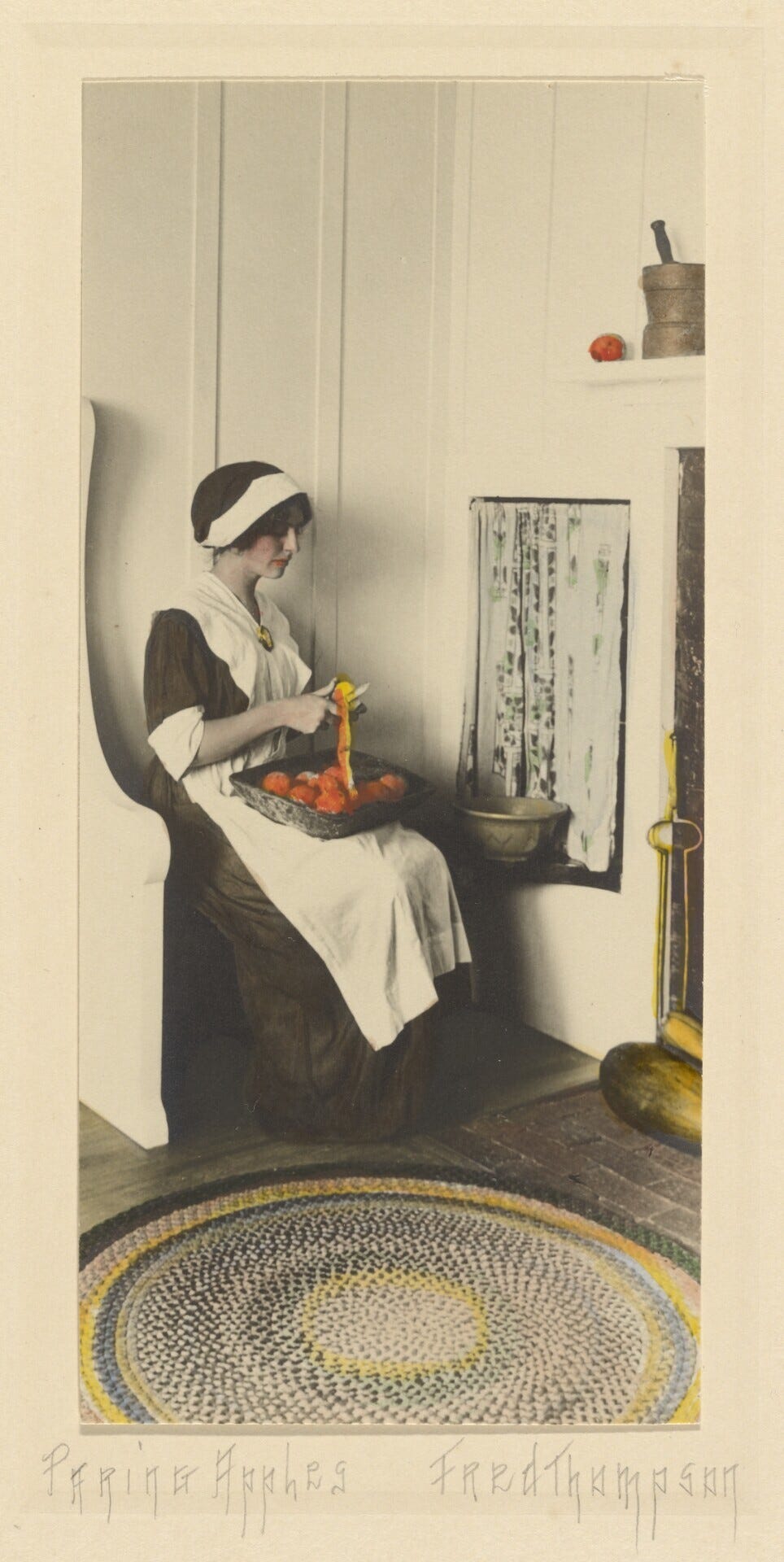
I only like Fujis. I’ve tried Galas, Macouns, Ambrosias, Honeycrisps—all of them—and I only like Fujis.
That doesn’t mean other apples aren’t spectacular. Someone will go to the ends of the earth for the perfect Granny Smith and though I cannot fathom why, they will. Your newsletter is a type of apple. I could be standing in front of the perfect Braeburn, and I won’t buy it. Unless someone wants what you’re offering (i.e., a Fuji), they won’t subscribe.
And if I’m shopping for apples and put a Pink Lady in my basket because it looks particularly delicious, I will likely put it back because, well, I was interested but actually, I’m a Fuji lover.
That said, there are bad apples:
bruised (the result of an apple being handled badly),
dry (the result of a tree not getting enough moisture),
skin defects (the result of an apple too much time in the sun),
decay and rot (the result of a lack of attention),
undersized (the result of being picked too early), etc.
The equivalents in writing are probably obvious. Ask yourself: Are you producing badly handled, neglected, rushed, and improperly revised and edited posts? Then you’re a writer with work to do.
Opens
Supposedly, 80 percent of emails are opened and immediately deleted. That’s a general stat, and it comes from a single survey, but it’s worth considering. Many of the writers I work with on Substack don’t think about where and how their subscribers encounter their posts. We’re writing online, but our subscribers are getting our posts in their very crowded inboxes accompanied by a voice in their heads telling them that having a “zero inbox” is the key to life. (It is, actually, but I don’t have time to go into that here.) They want to delete your post. Those who don’t automatically delete are superior creatures we should court and treasure.
We’re all writers with work to do, and Substack is an amazing place to do it. You don’t have to be perfect. You get to figure out yourself and your Substack as you go. You get to be a writer learning on the job—the best kind.
What to do now to limit feeling rejected:
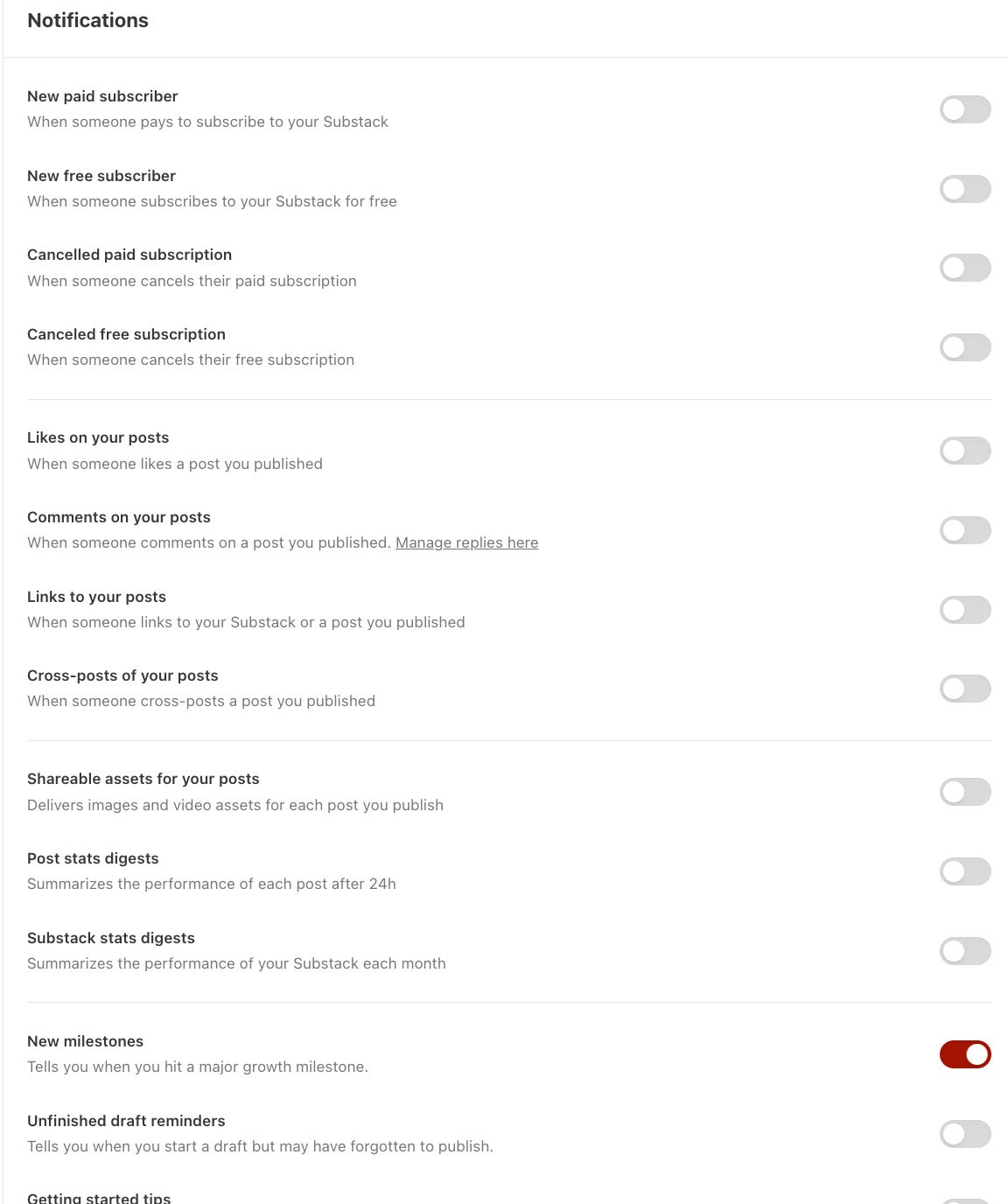
Turn off notifications, i.e., don’t be emailed every time someone unsubscribes.
I have a Substack Live! podcast episode with the iconic Emily Kirkpatrick (fashion) and Jessica DeFino (beauty) and when I asked what advice they’d give to someone just starting out (and I would extend this to everyone) it was exactly this: Turn off unsubscribe notifications. And listen to the episode here:
How to turn off notifications:
Dashboard > Settings > type notifications in the search bar on the left or scroll down to Notifications.
Yours should look something like mine:
It’s incredible that you’re here. You’re doing this. You’re putting yourself out there in a way most people never would. And you have my support every step of the way.
Until next week…
Your Substack Strategist,

7 spots left! Doors close tomorrow my signature writing course: The Craft of Writing on Substack: Write a Substack people actually read, engage with, and pay for | February 20-March 27, 12-3 PM CT
“A master class in both craft and content: rigorous, top-notch, motivating, and inspiring. I now understand what readers (and agents) are looking for in Substack writing. Highly recommend.” –Crystal Sershen
Join me live this Thursday, 2/19 at 3 PM CST: How Jeannine Ouellette built an epic Substack with her bare hands—link

SW@W homepage | Premier Member homepage | Notes Boost Challenge | Paid-subscriber chat | Upcoming courses & Intensives | Paid-subscriber workshop replay library | Work with me 1:1
For you…

» Thank you for being part of the best community on Substack! Please share Substack Writers at Work and invite others to join us for real, long-term Substack growth.
I'm a liker. I think of it as part of my literary citizenship here on Substack. But I only click the little heart button if I really actually like the post. Yours are always inspiring, so I'm happy to like them! Thanks, Sarah.
This reminds me of years ago when I was a magazine freelancer. Anytime I got a rejection, I put it in a file titled ‘The ones who missed out’. Along the same lines, I never read reviews of my books, and I would never even consider being notified when someone unsubscribes. If you do, it’s a really good way to lose your sanity.